• 12/06/2026   14/06/2026

    Explore archaeological sites...

  • 12/06/2026   14/06/2026

    Visit archaeological laboratories !

  • 12/06/2026   14/06/2026

    Discover the unseen...

  • 12/06/2026   14/06/2026

    Follow in the archaeologists' footsteps...

  • Explore the crypt of Saint Gudula, in the choir of Brussels Cathedral

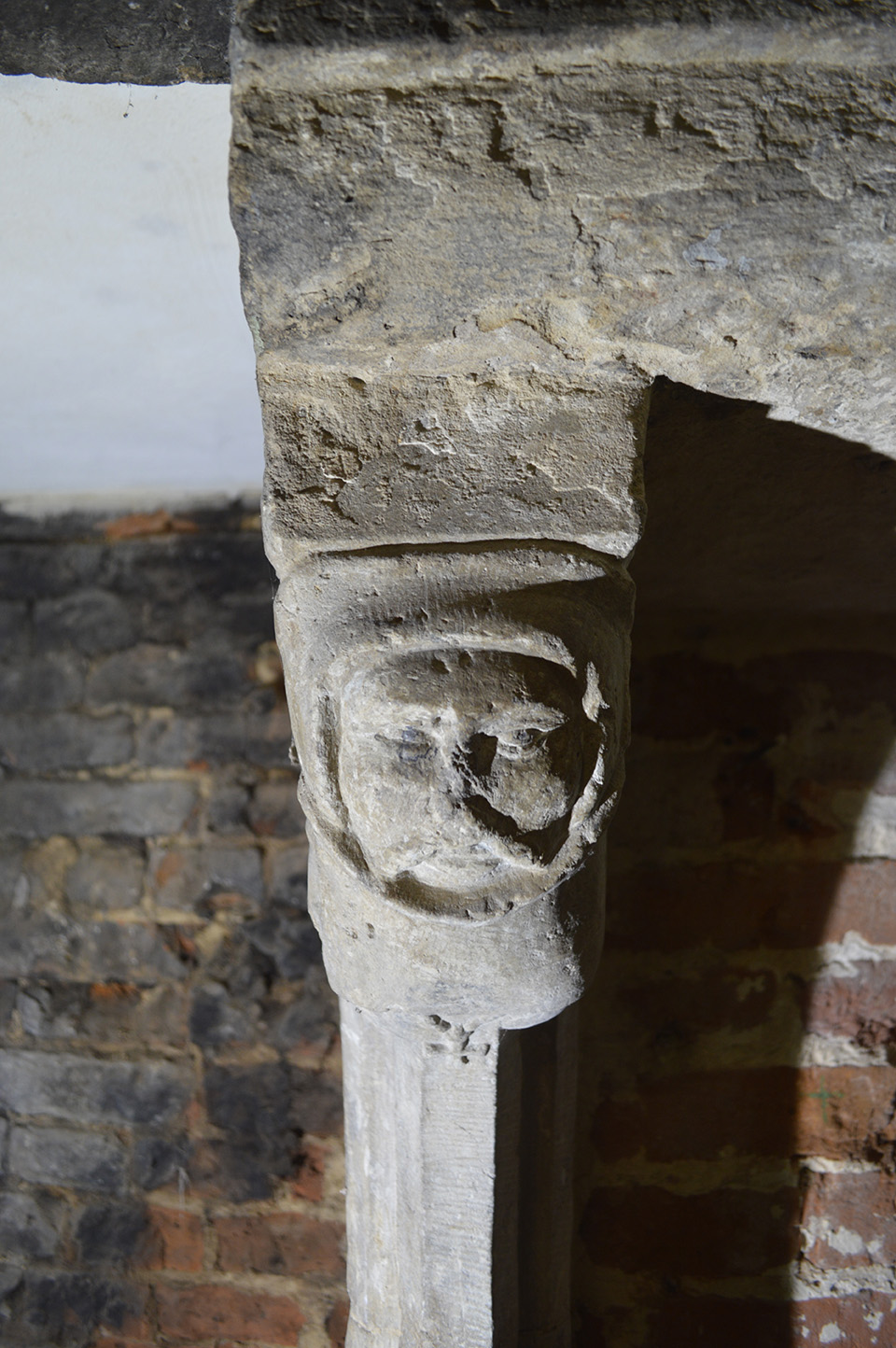
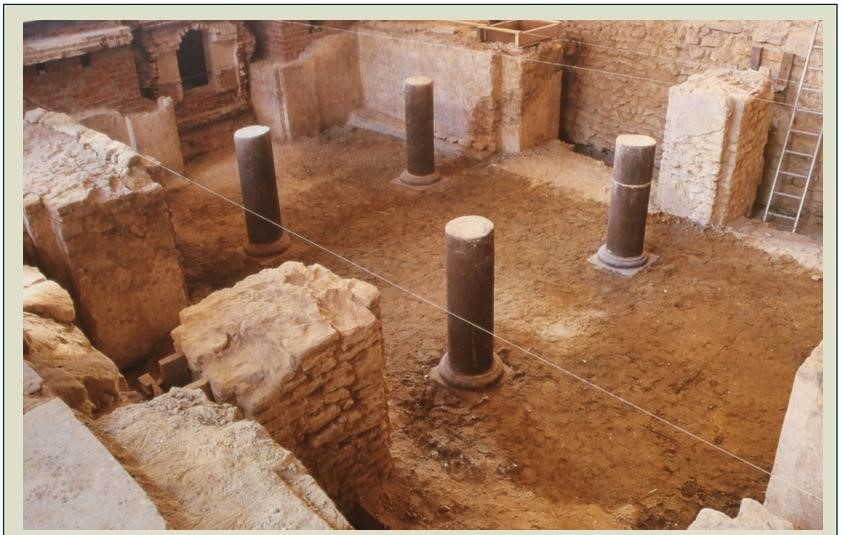
    Built partly underground beneath the raised choir of the former 11th-century Romanesque collegiate church, a crypt was dedicated to the veneration of the relics of Saint Gudula. Its disappearance is the result of the considerable…

    Built partly underground beneath the raised choir of the former 11th-century Romanesque collegiate church, a crypt was dedicated to the veneration of the relics of Saint Gudula. Its disappearance is the result of the considerable alterations the religious building has undergone since the 13th century, when a new, enlarged and widened choir in the Gothic style replaced the Romanesque one. A radical decision was taken to lower the floor level in the new choir and…

    Built partly underground beneath the raised choir of the former 11th-century Romanesque collegiate church, a crypt was dedicated to the veneration of the relics of Saint Gudula. Its disappearance is the result of the considerable alterations the religious building has undergone since the 13th century, when a new, enlarged and widened choir in the Gothic style replaced the Romanesque one. A radical decision was taken to lower the floor level in the new choir and the ambulatory surrounding it, which inevitably led to the demolition of the crypt’s vaults; the crypt was subsequently abandoned and backfilled. Forgotten by collective memory, the decapitated remains were discovered at the end of the 20th century and remain in their excellent state dating from…

  • A behind-the-scenes look at the Société royale d’Archéologie de Bruxelles’ restoration workshop

    Take a behind-the-scenes look at our heritage during a tour of the Société royale d’Archéologie de Bruxelles’ restoration workshop. This activity offers you the chance to discover the techniques and expertise used to preserve and…

    Take a behind-the-scenes look at our heritage during a tour of the Société royale d’Archéologie de Bruxelles’ restoration workshop. This activity offers you the chance to discover the techniques and expertise used to preserve and restore archaeological objects. Guided by conservators and restorers, you will witness practical demonstrations illustrating the various stages of restoration, from initial assessment to the most delicate procedures. You will learn more about the materials and tools used, as well as…

    Take a behind-the-scenes look at our heritage during a tour of the Société royale d’Archéologie de Bruxelles’ restoration workshop. This activity offers you the chance to discover the techniques and expertise used to preserve and restore archaeological objects. Guided by conservators and restorers, you will witness practical demonstrations illustrating the various stages of restoration, from initial assessment to the most delicate procedures. You will learn more about the materials and tools used, as well as the challenges involved in heritage preservation. A unique opportunity to explore a profession at the crossroads of science and heritage, and to gain a better understanding of the precision work that enables us to pass on these artefacts from the past to future generations. Collaboration :…

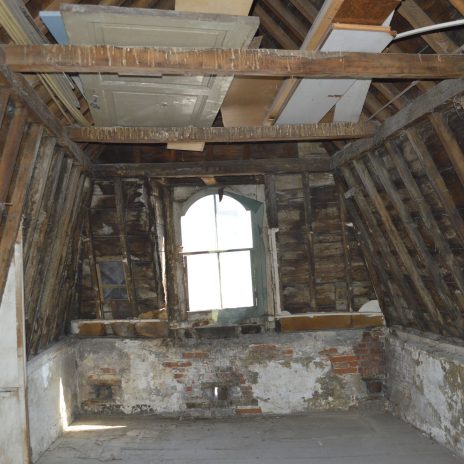
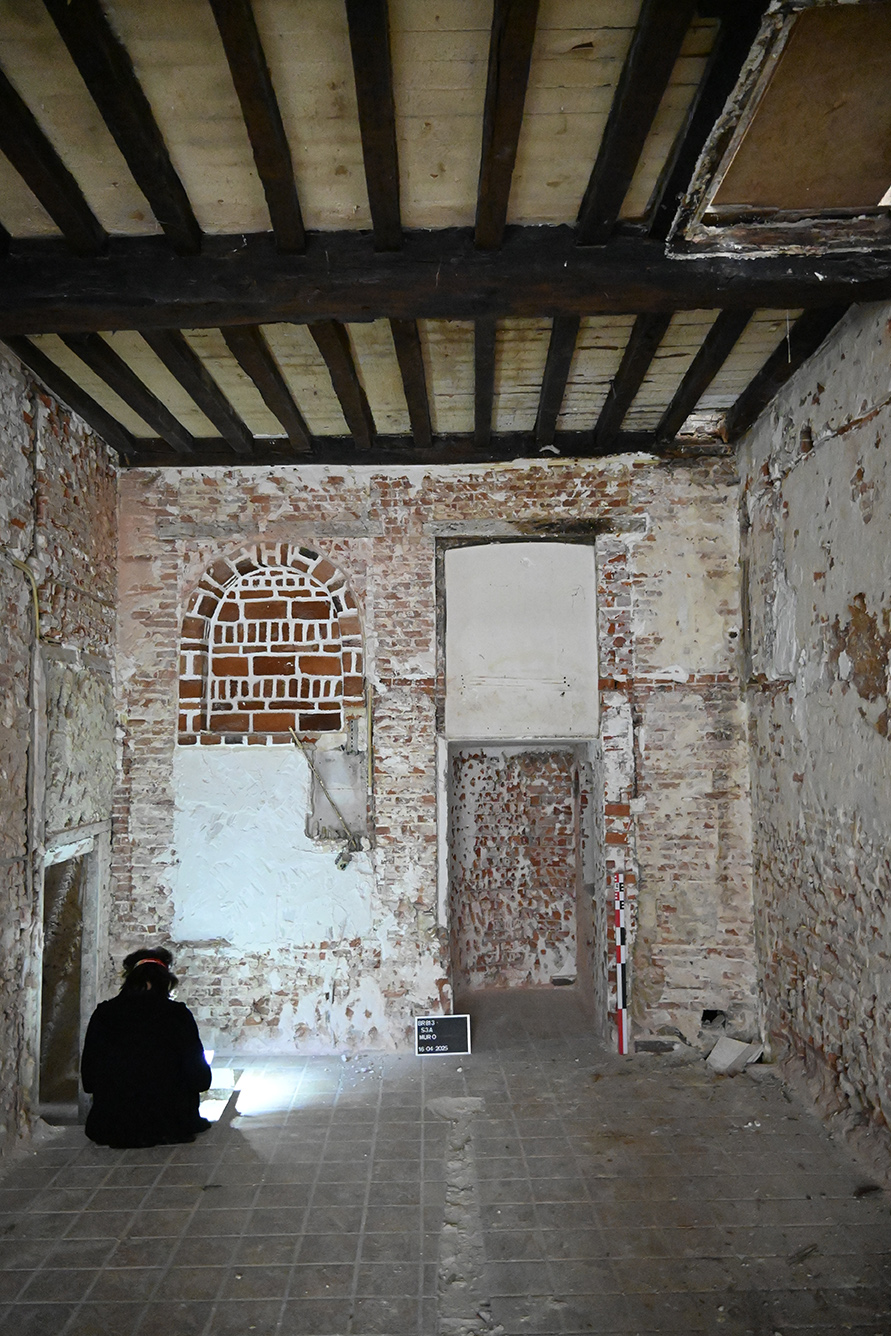
  • The houses at Grand-Place 36 and Rue Chair-et-Pain 5: a journey from the Middle Ages to the flames of the 1695 bombardment

    Grand-Place 13, 1000 Brussels

    The tour begins in the cellars, revealing the footprint of late medieval houses and, above all, showing how these buildings were situated on the Grand-Place alongside the King’s House. The structures uncovered raise many questions…

    The tour begins in the cellars, revealing the footprint of late medieval houses and, above all, showing how these buildings were situated on the Grand-Place alongside the King’s House. The structures uncovered raise many questions about the earliest phases of the town’s urban development, and of the main market in particular. The tour continues upstairs, where the completely exposed walls reveal in detail how the buildings were rebuilt following the bombardment of the city by…

    The tour begins in the cellars, revealing the footprint of late medieval houses and, above all, showing how these buildings were situated on the Grand-Place alongside the King’s House. The structures uncovered raise many questions about the earliest phases of the town’s urban development, and of the main market in particular. The tour continues upstairs, where the completely exposed walls reveal in detail how the buildings were rebuilt following the bombardment of the city by Louis XIV’s troops in mid-August 1695. From the Middle Ages to the modern era, the tour offers an architectural journey into the heart of the city’s history. Collaboration: urban.brussels, ULB-CreA-Patrimoine Book your guided tour by sending an email to archeologie@urban.brussels, specifying the type of event/the…

  • An archaeological walk through the Royal Quarter

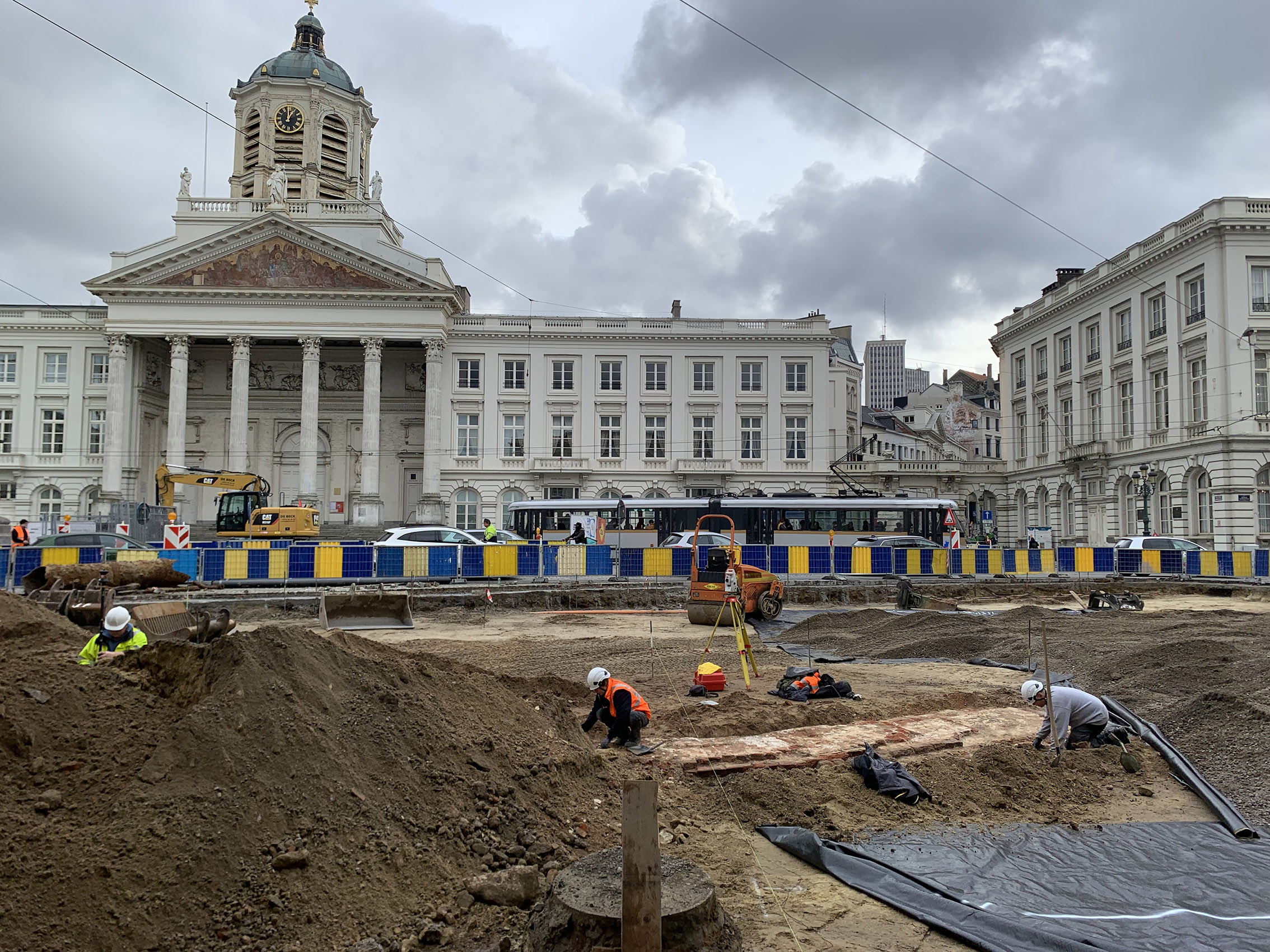
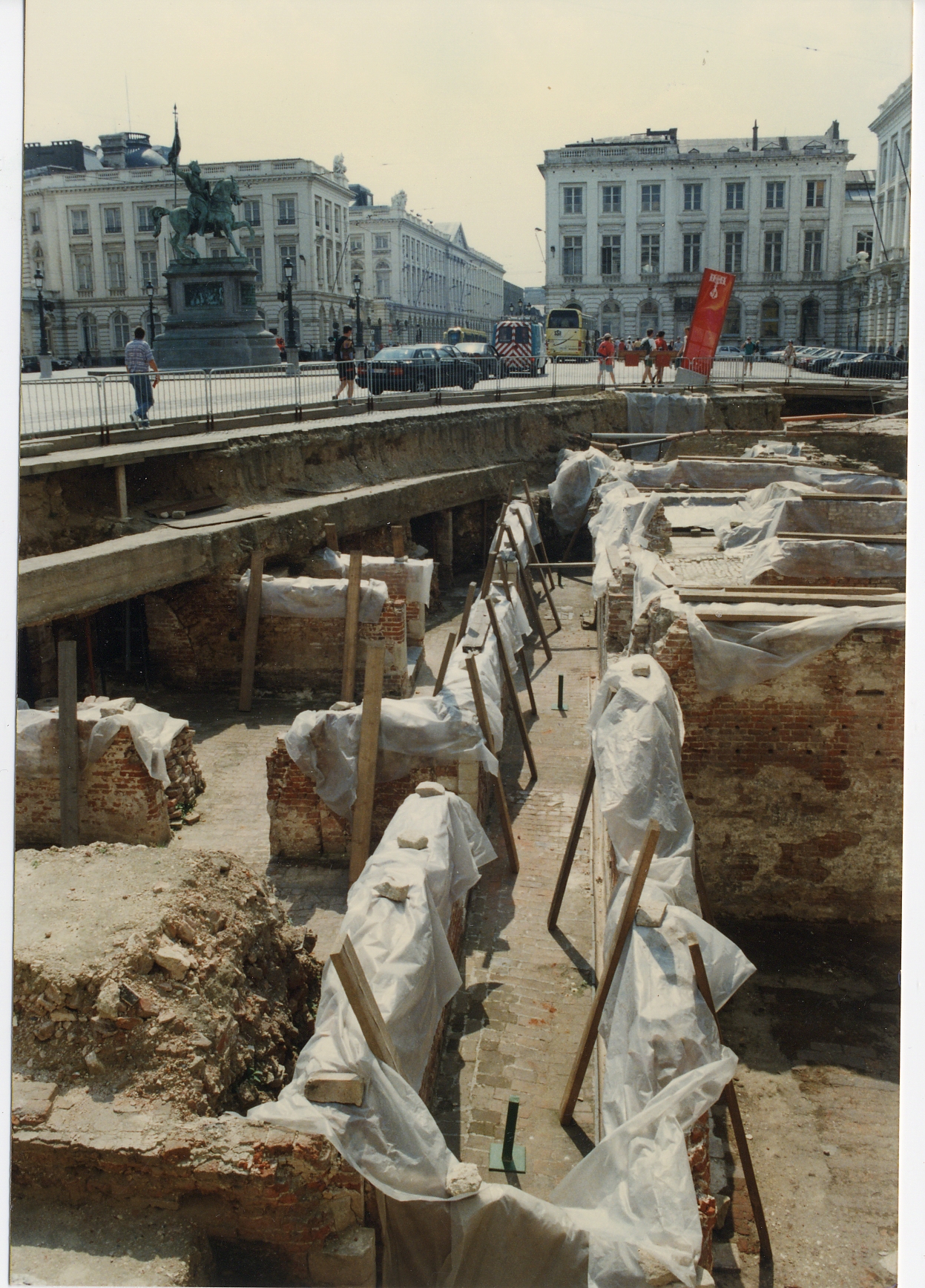
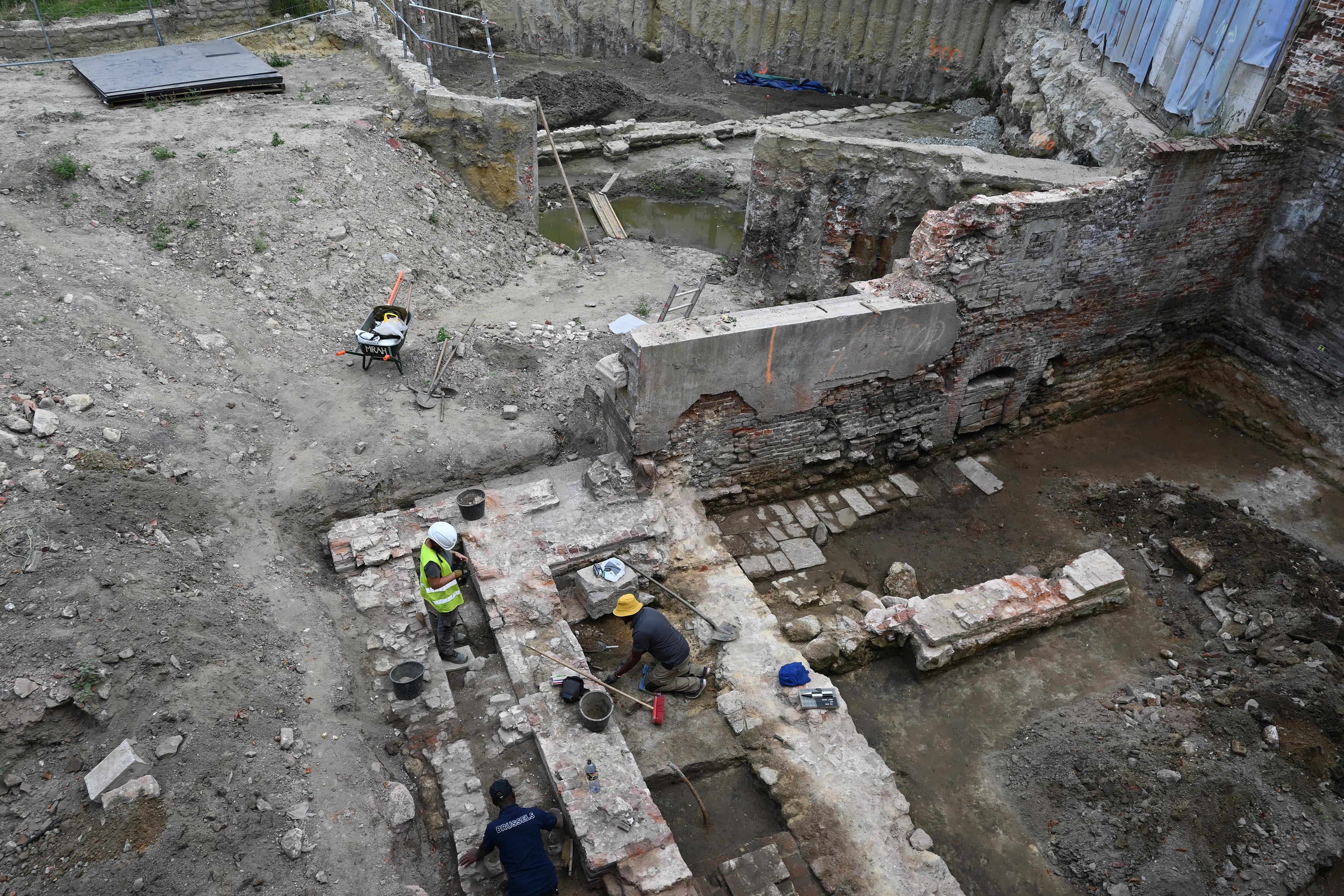
    We invite you to take a tour of the Royal Quarter, exploring the recent discoveries made during the renovation works on Place Royale and Rue de la Régence. Large-scale works, coordinated by Beliris and the…

    We invite you to take a tour of the Royal Quarter, exploring the recent discoveries made during the renovation works on Place Royale and Rue de la Régence. Large-scale works, coordinated by Beliris and the STIB, have effectively torn up the district’s subsoil and yielded a wealth of archaeological finds linked not only to the former Coudenberg Palace, but also to the cemetery of Saint-Jean Hospital, which was in use from 1299 and decommissioned in…

    We invite you to take a tour of the Royal Quarter, exploring the recent discoveries made during the renovation works on Place Royale and Rue de la Régence. Large-scale works, coordinated by Beliris and the STIB, have effectively torn up the district’s subsoil and yielded a wealth of archaeological finds linked not only to the former Coudenberg Palace, but also to the cemetery of Saint-Jean Hospital, which was in use from 1299 and decommissioned in the early 18th century. The first shovelfuls of earth were dug at Place Royale in 2022, but the bulk of the work began in spring 2024 and lasted for nearly two years. The archaeological investigations accompanying this work were carried out by a team from…

  • Different perspectives on the Coudenberg Palace and its neighbourhood

    Place Royale 10, 1000 Bruxelles

    Delve into the history of the Coudenberg Palace and discover the profound urban changes that have shaped its surroundings. From the landscape of yesteryear to that of today, the neighbourhood has been transformed, revealing the…

    Delve into the history of the Coudenberg Palace and discover the profound urban changes that have shaped its surroundings. From the landscape of yesteryear to that of today, the neighbourhood has been transformed, revealing the close interplay between urban development and the site’s history. Led by the Coudenberg team, this guided tour highlights the reciprocal influences between the palace and its neighbourhood, offering a deeper insight into their shared evolution. An invitation to better understand…

    Delve into the history of the Coudenberg Palace and discover the profound urban changes that have shaped its surroundings. From the landscape of yesteryear to that of today, the neighbourhood has been transformed, revealing the close interplay between urban development and the site’s history. Led by the Coudenberg team, this guided tour highlights the reciprocal influences between the palace and its neighbourhood, offering a deeper insight into their shared evolution. An invitation to better understand the historical dynamics that have shaped the neighbourhood’s current character. Collaboration : urban.brussels, Coudenberg Palace Book your guided tour by sending an email to archeologie@urban.brussels, specifying the type of event/the site, the number of people, the time and the language.   Practical information Guided tours on…

  • The restored Trois-Fontaines Castle: a visit from top to bottom!

    Nestled in a lush green setting in the heart of the Sonian Forest, the remains of Trois-Fontaines Castle reveal themselves along a woodland path. Of the estate, first mentioned in written records in 1329, only…

    Nestled in a lush green setting in the heart of the Sonian Forest, the remains of Trois-Fontaines Castle reveal themselves along a woodland path. Of the estate, first mentioned in written records in 1329, only the main residence and the remains of the imposing gate tower to which it was attached still survive. Its functions, always linked to the forest belonging to the Dukes of Brabant, evolved over time: hunting lodge, prison for those guilty…

    Nestled in a lush green setting in the heart of the Sonian Forest, the remains of Trois-Fontaines Castle reveal themselves along a woodland path. Of the estate, first mentioned in written records in 1329, only the main residence and the remains of the imposing gate tower to which it was attached still survive. Its functions, always linked to the forest belonging to the Dukes of Brabant, evolved over time: hunting lodge, prison for those guilty of violating forest laws (poaching, wood theft, etc.), residence of the forest warden, and forester’s house. The building has recently undergone a remarkable restoration. These extensive works were closely monitored by an archaeological team, who will welcome visitors on site and guide them from cellar……

  • Rouge-Cloître: the archaeology of a monastic landscape

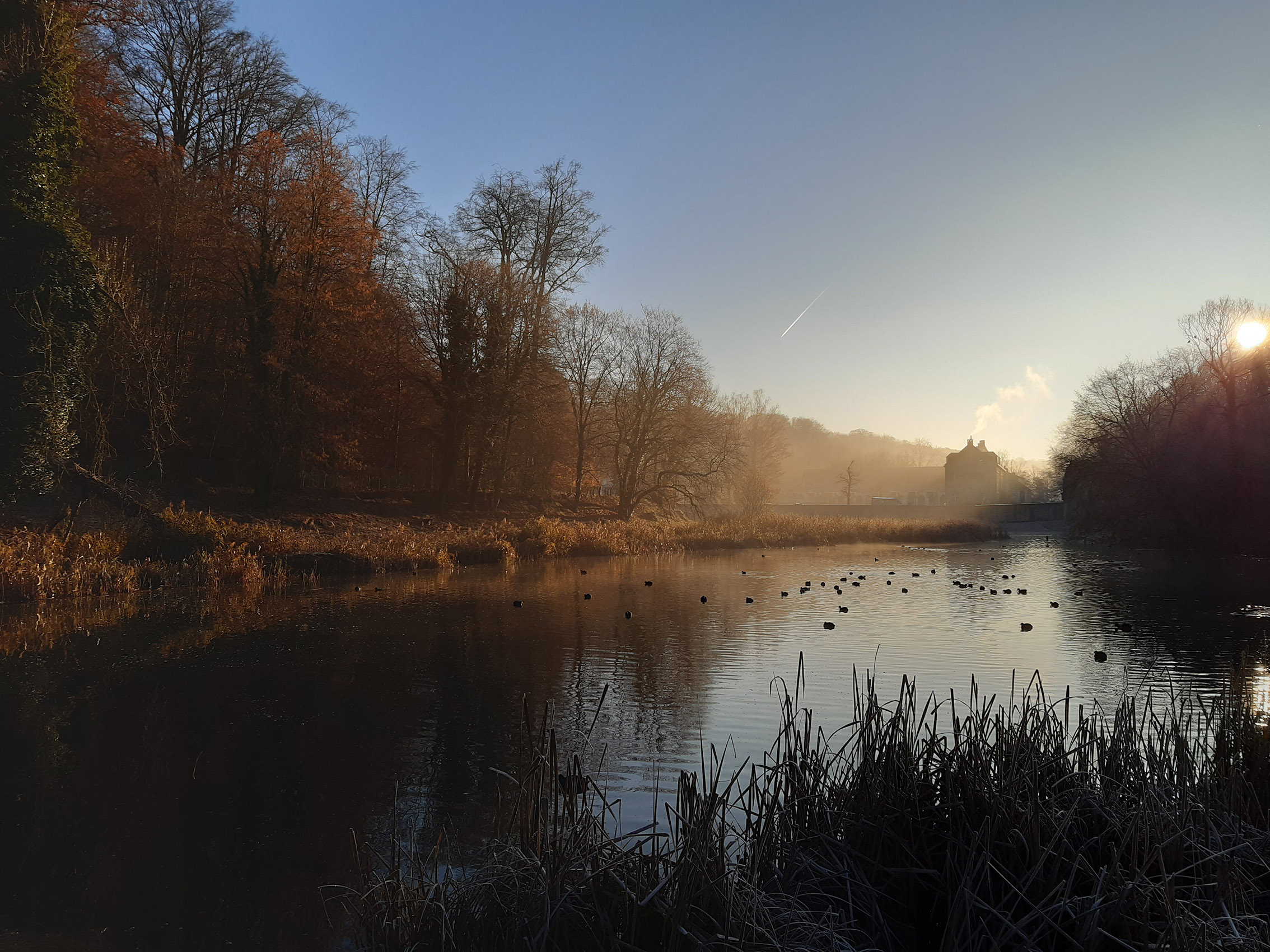
    Come and explore the landscapes of the Rouge-Cloître Priory and immerse yourself in the fascinating history of the Sonian Forest! In the second half of the 14th century, a few hermits settled in this peaceful…

    Come and explore the landscapes of the Rouge-Cloître Priory and immerse yourself in the fascinating history of the Sonian Forest! In the second half of the 14th century, a few hermits settled in this peaceful corner of the forest. Gradually, the future community of Canons Regular of St Augustine grew and erected its first buildings in the Roodkloosterbeek valley. Their endeavour was not limited to constructing buildings: they profoundly transformed the landscape around them. Ponds,…

    Come and explore the landscapes of the Rouge-Cloître Priory and immerse yourself in the fascinating history of the Sonian Forest! In the second half of the 14th century, a few hermits settled in this peaceful corner of the forest. Gradually, the future community of Canons Regular of St Augustine grew and erected its first buildings in the Roodkloosterbeek valley. Their endeavour was not limited to constructing buildings: they profoundly transformed the landscape around them. Ponds, an ingenious water system, stone quarries, clay extraction for bricks, timber harvesting… the Sonian Forest provided all the resources needed for this major medieval project. During a fascinating walk full of surprises, archaeologists from the Royal Museums of Art and History will reveal how the…

  • The Abbey of Forest in its environment: new archaeological findings

    Abbaye de Forest – Abdij van Vorst, place Saint-Denis-Sint-Denijsplein, 1190 Forest-Vorst

    Situated on the alluvial plain of the Senne, the Abbey of Forest has always had to contend with rising water levels and flooding from the river that runs through Brussels. The site – naturally marshy…

    Situated on the alluvial plain of the Senne, the Abbey of Forest has always had to contend with rising water levels and flooding from the river that runs through Brussels. The site – naturally marshy – was radically altered to accommodate a major abbey, the remains of the final phase of which are still clearly visible today amidst the ‘industrial’ landscape of the lower part of the municipality of Forest. The nuns, who had been…

    Situated on the alluvial plain of the Senne, the Abbey of Forest has always had to contend with rising water levels and flooding from the river that runs through Brussels. The site – naturally marshy – was radically altered to accommodate a major abbey, the remains of the final phase of which are still clearly visible today amidst the ‘industrial’ landscape of the lower part of the municipality of Forest. The nuns, who had been settled since the early 12th century on the site of Saint Alène’s martyrdom, developed an ingenious hydraulic system comprising large fishponds, canals and lakes, combined with tree plantations to contain the waters of the Senne and the neighbouring Geleytsbeek. Archaeological research carried out in recent…

  • Archaeological walk in the footsteps of the Senne

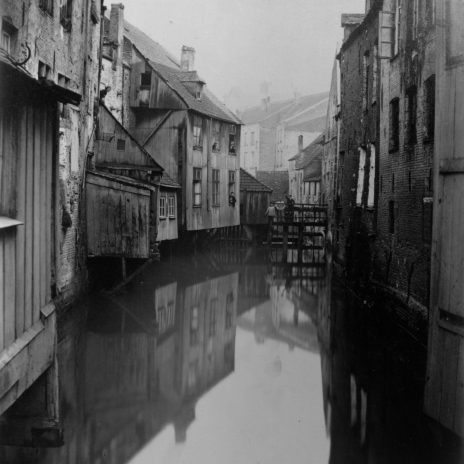
    This walk takes you along the course of the Senne within the Pentagon, passing by sites recently excavated by urban.brussels, as well as places where earlier discoveries were made. The river may have disappeared from…

    This walk takes you along the course of the Senne within the Pentagon, passing by sites recently excavated by urban.brussels, as well as places where earlier discoveries were made. The river may have disappeared from the urban landscape after its vaulting in the second half of the 19th century, but it has left a lasting mark on the city centre. Witnessing a time when only mammoths and other prehistoric animals inhabited the valley, it would…

    This walk takes you along the course of the Senne within the Pentagon, passing by sites recently excavated by urban.brussels, as well as places where earlier discoveries were made. The river may have disappeared from the urban landscape after its vaulting in the second half of the 19th century, but it has left a lasting mark on the city centre. Witnessing a time when only mammoths and other prehistoric animals inhabited the valley, it would later become inextricably linked to the origins of Brussels, where a portus is mentioned as early as the 11th century. The Senne plays an important role in the development of the town and its artisanal and industrial activities. It was also an important waterway until…

  • Visit of the archaeological site Bruxella 1238

    rue de la Bourse - Beursstraat, 1000 Bruxelles-Brussel

    You walk past the Bourse building every day… but do you really know its history? Hidden beneath this iconic, recently renovated building lies Bruxella 1238, a unique archaeological site that immerses you in over 1,000…

    You walk past the Bourse building every day… but do you really know its history? Hidden beneath this iconic, recently renovated building lies Bruxella 1238, a unique archaeological site that immerses you in over 1,000 years of Brussels’ history. Amidst fascinating remains and artefacts from the excavations carried out between 1988 and 2022, relive your city’s past… and even discover the supposed tomb of John I of Brabant, alias Gambrinus, the legendary king of beer.…

    You walk past the Bourse building every day… but do you really know its history? Hidden beneath this iconic, recently renovated building lies Bruxella 1238, a unique archaeological site that immerses you in over 1,000 years of Brussels’ history. Amidst fascinating remains and artefacts from the excavations carried out between 1988 and 2022, relive your city’s past… and even discover the supposed tomb of John I of Brabant, alias Gambrinus, the legendary king of beer. During the Urban Archaeology Days, enjoy free entry: the perfect opportunity to enjoy an extraordinary experience right in the heart of the capital. And why not continue your visit upstairs with the Belgian Beer World Experience? On presentation of your Bruxella 1238 ticket, entry is…

  • The Museum of the City of Brussels (Maison du Roi – Broodhuis)

    Grand Place 29, 1000 Bruxelles

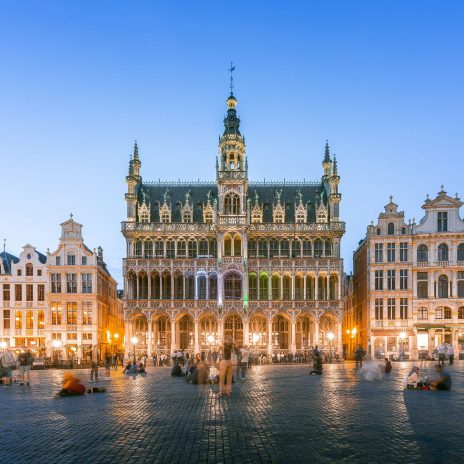
    Situated on the most beautiful square in the world, the City Museum invites you to discover the history of Brussels: a maquette illustrating the city in the 13th century, tapestries, ceramics, masterpieces of painting and…

    Situated on the most beautiful square in the world, the City Museum invites you to discover the history of Brussels: a maquette illustrating the city in the 13th century, tapestries, ceramics, masterpieces of painting and sculpture... On the top floor, the Grand-Place tells its story through unique works of art such as the original weathervane of Saint Michael. And it is also in the City Museum that you can admire the real statue of Manneken-Pis!…

    Situated on the most beautiful square in the world, the City Museum invites you to discover the history of Brussels: a maquette illustrating the city in the 13th century, tapestries, ceramics, masterpieces of painting and sculpture... On the top floor, the Grand-Place tells its story through unique works of art such as the original weathervane of Saint Michael. And it is also in the City Museum that you can admire the real statue of Manneken-Pis! The most important work in the collection is undoubtedly the building that houses the museum, a neo-gothic building dating from the last quarter of the 19th century, located opposite the Town Hall. Called the King's House in French (Maison du Roi) - in reference to…